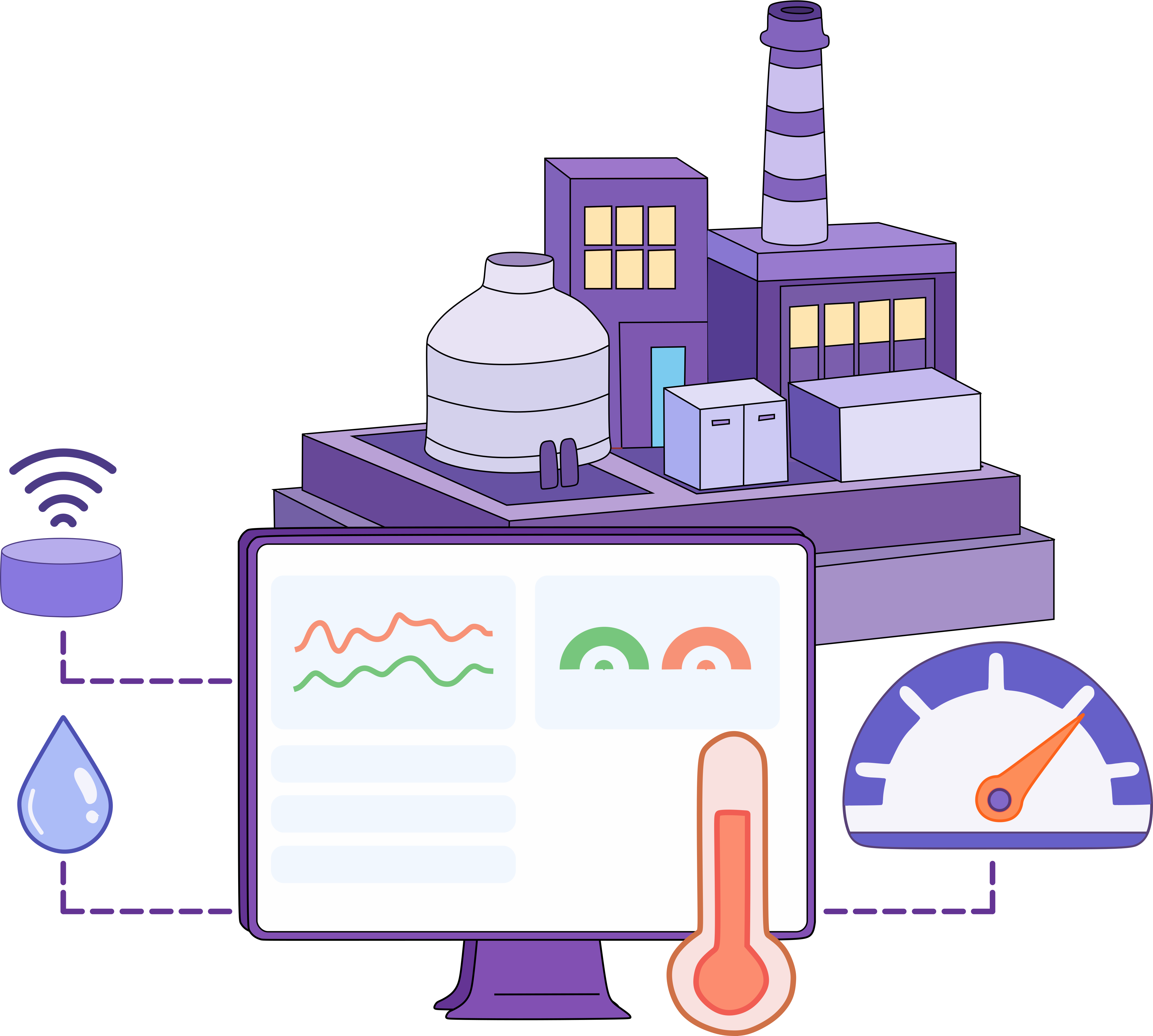
Real-time monitoring
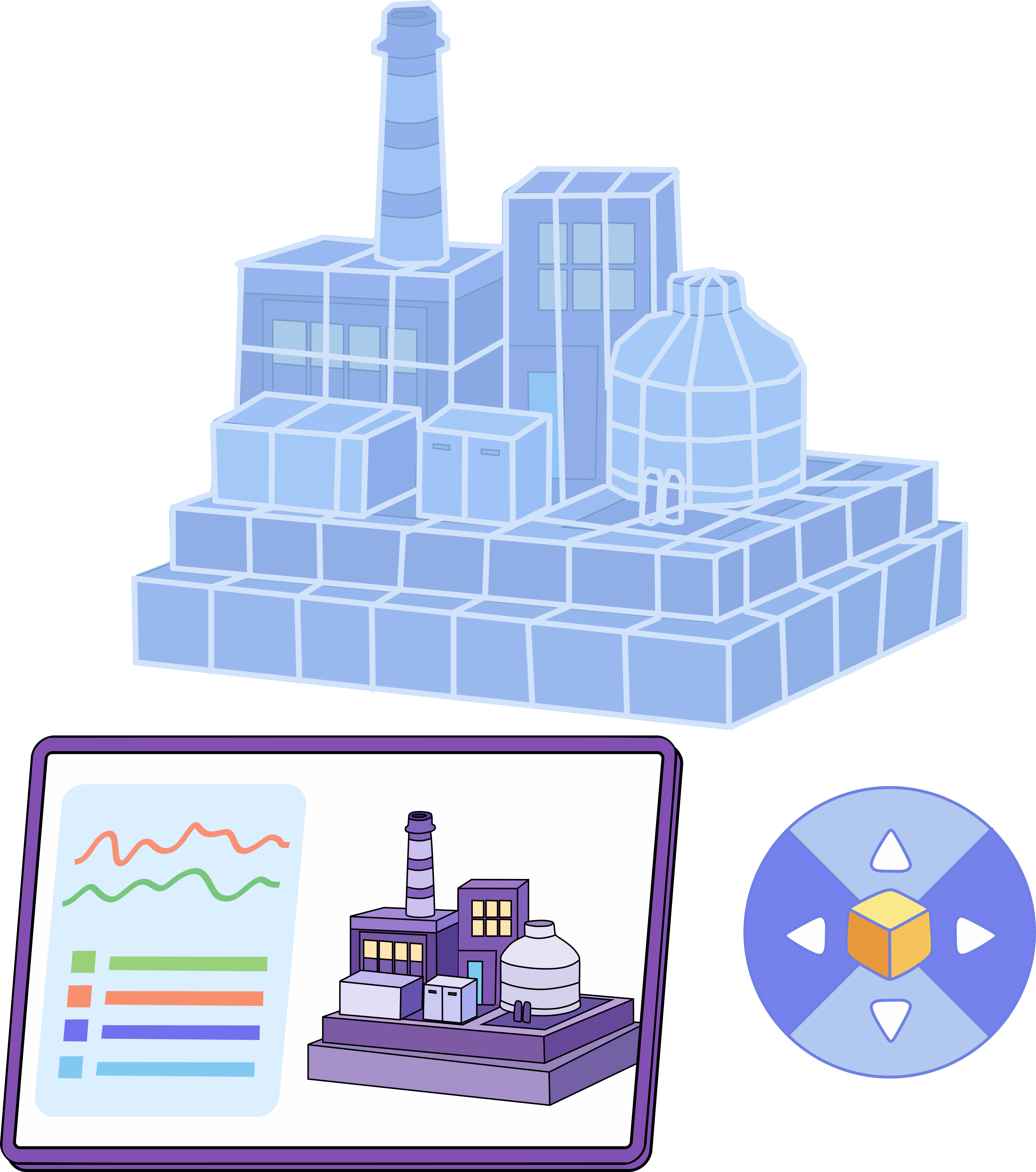
Sensor data is continuously collected and visualized in a 3D model, giving full insight into the object's condition.

Object. Data. Clear overview.
We connect spatial models with equipment data so the site can be explored, monitored and better understood.
Let's talk about your projectReal-time status from simulated sensors.
Tracks the equipment's operating mode and efficiency in real time.
Monitors voltage and oil temperature without a site visit.
A real-time virtual replica allows decisions to be made based on actual data, not assumptions.
Sensor data is continuously collected and visualized in a 3D model, giving full insight into the object's condition.
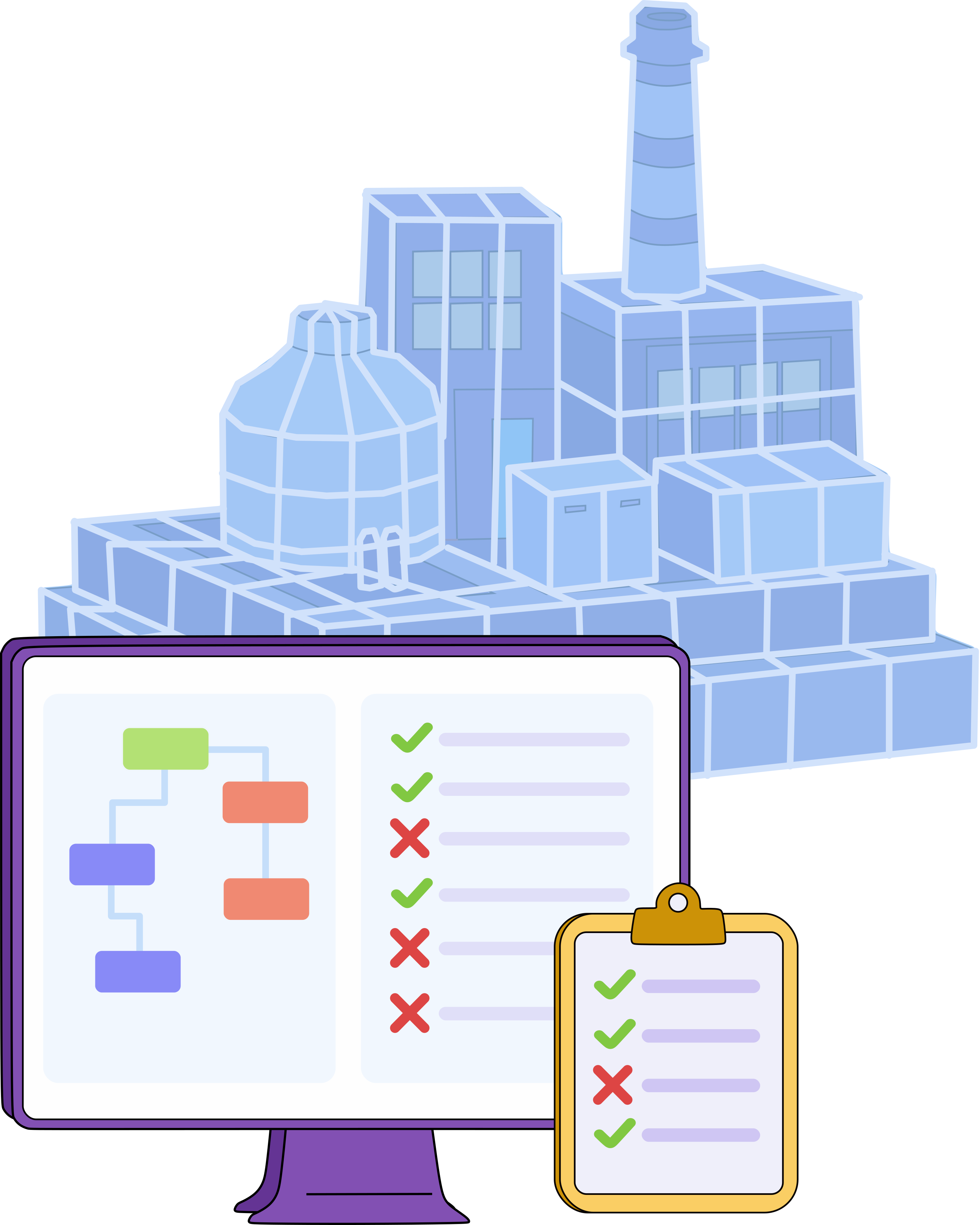
Before making a real change, test it virtually, check scenarios without risk or costly mistakes.
Machine learning algorithms alert you to potential failures before they happen, enabling planned preventive maintenance.
Digital twins deliver value across industries, from manufacturing to cultural heritage.
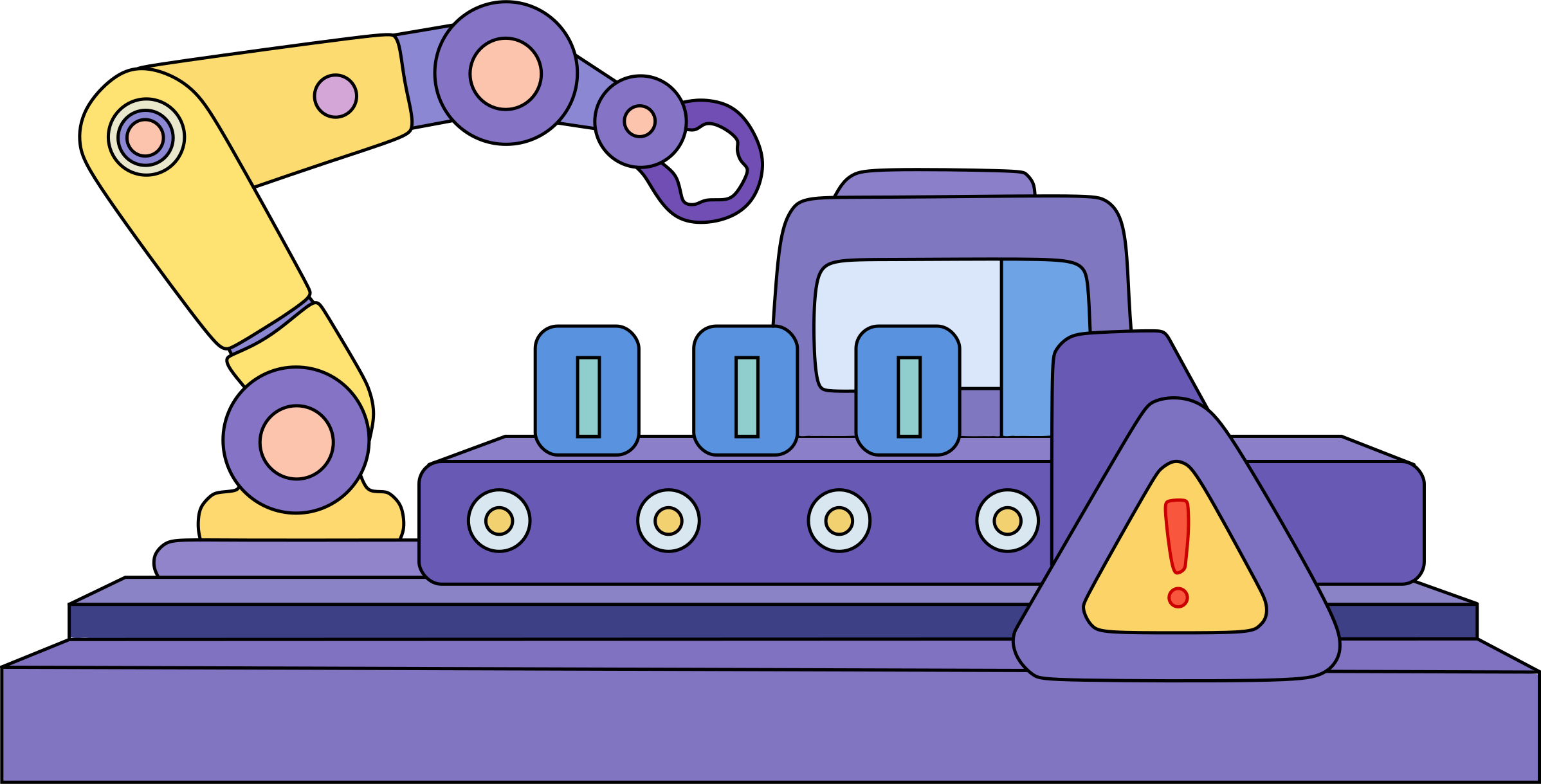
Equipment condition monitoring, production line simulation and failure prediction.
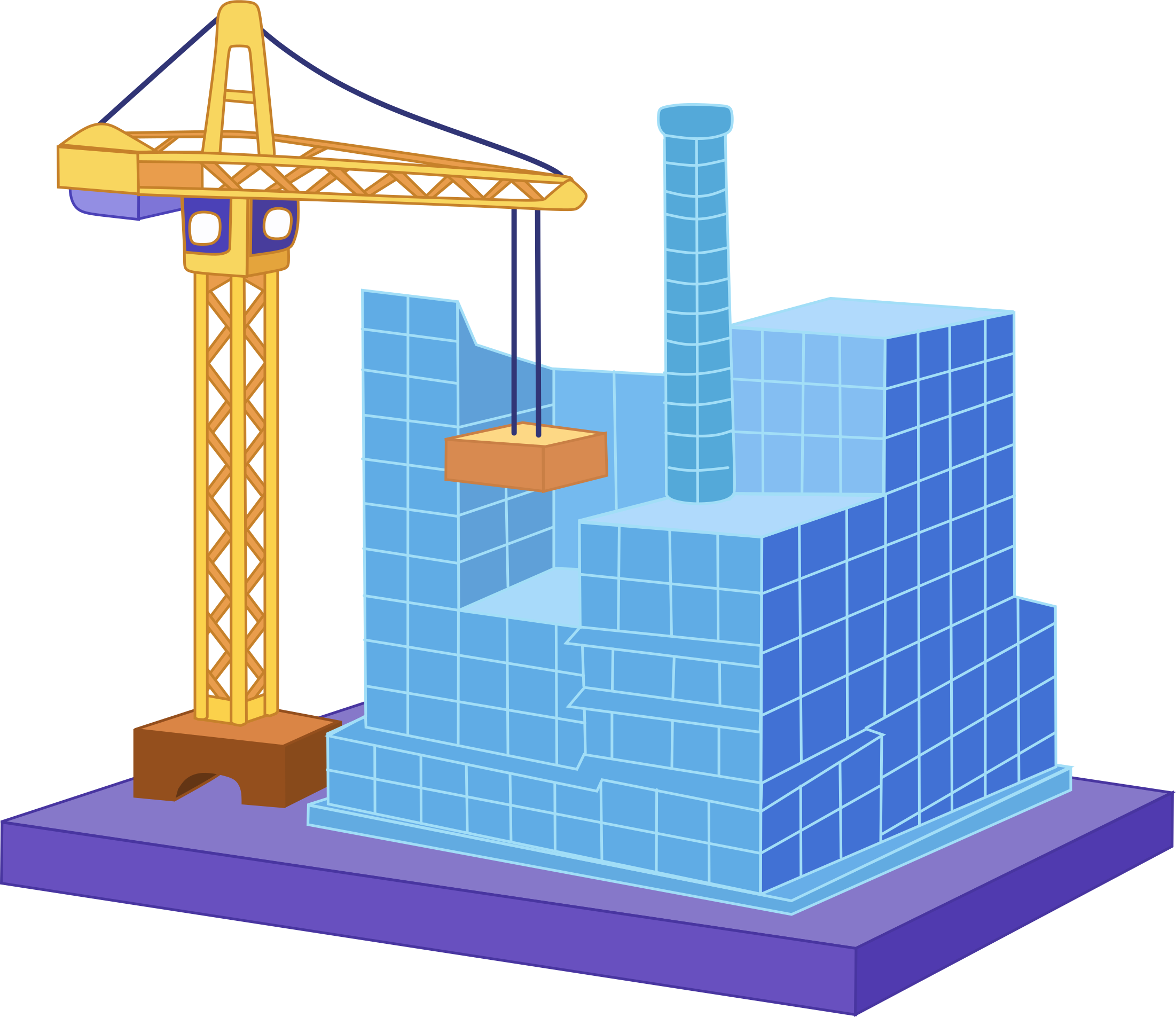
BIM model integration with real-time data, building systems overviews and maintenance.
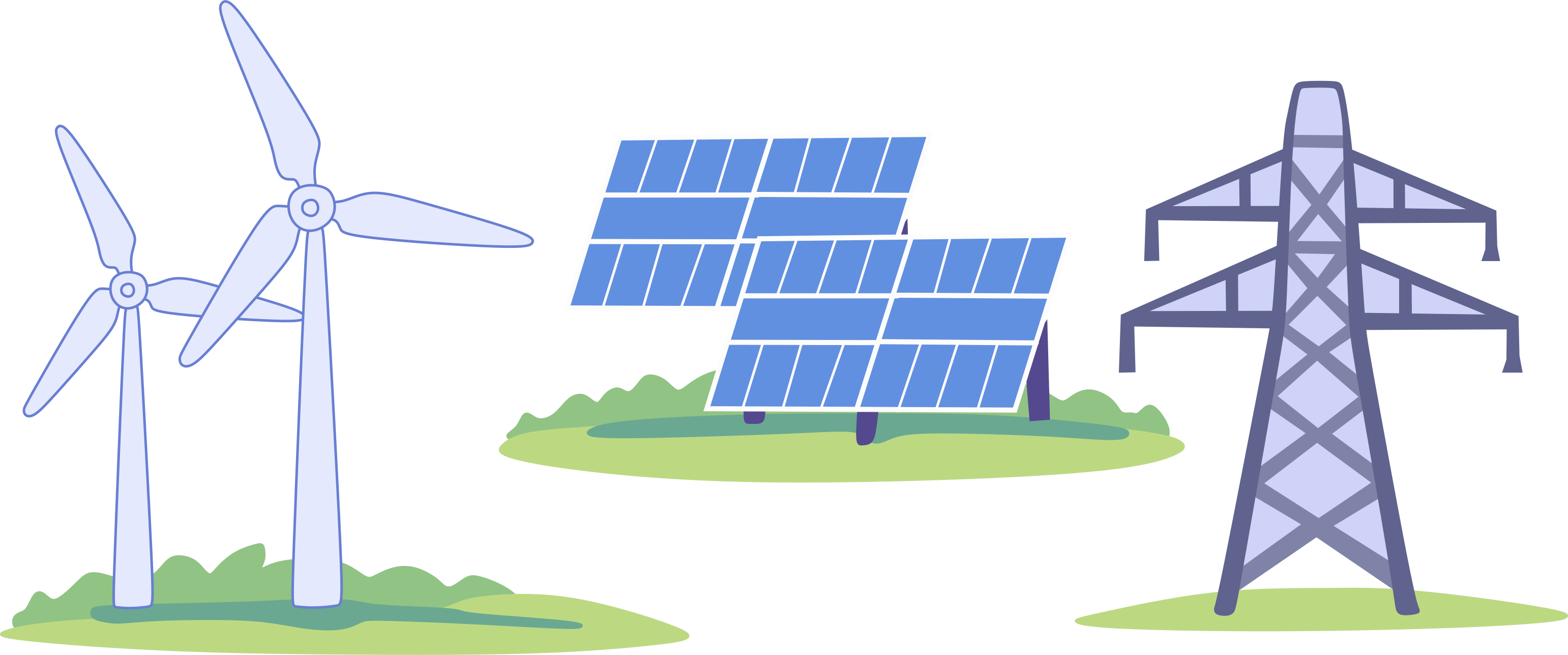
Virtual monitoring and optimization of wind turbines, solar parks and energy grids.

Digital documentation, preservation and interactive presentation of historic buildings and sites.
Companies using digital twins make faster and more accurate decisions.
Predictive maintenance and process optimization reduce costly unplanned downtime.
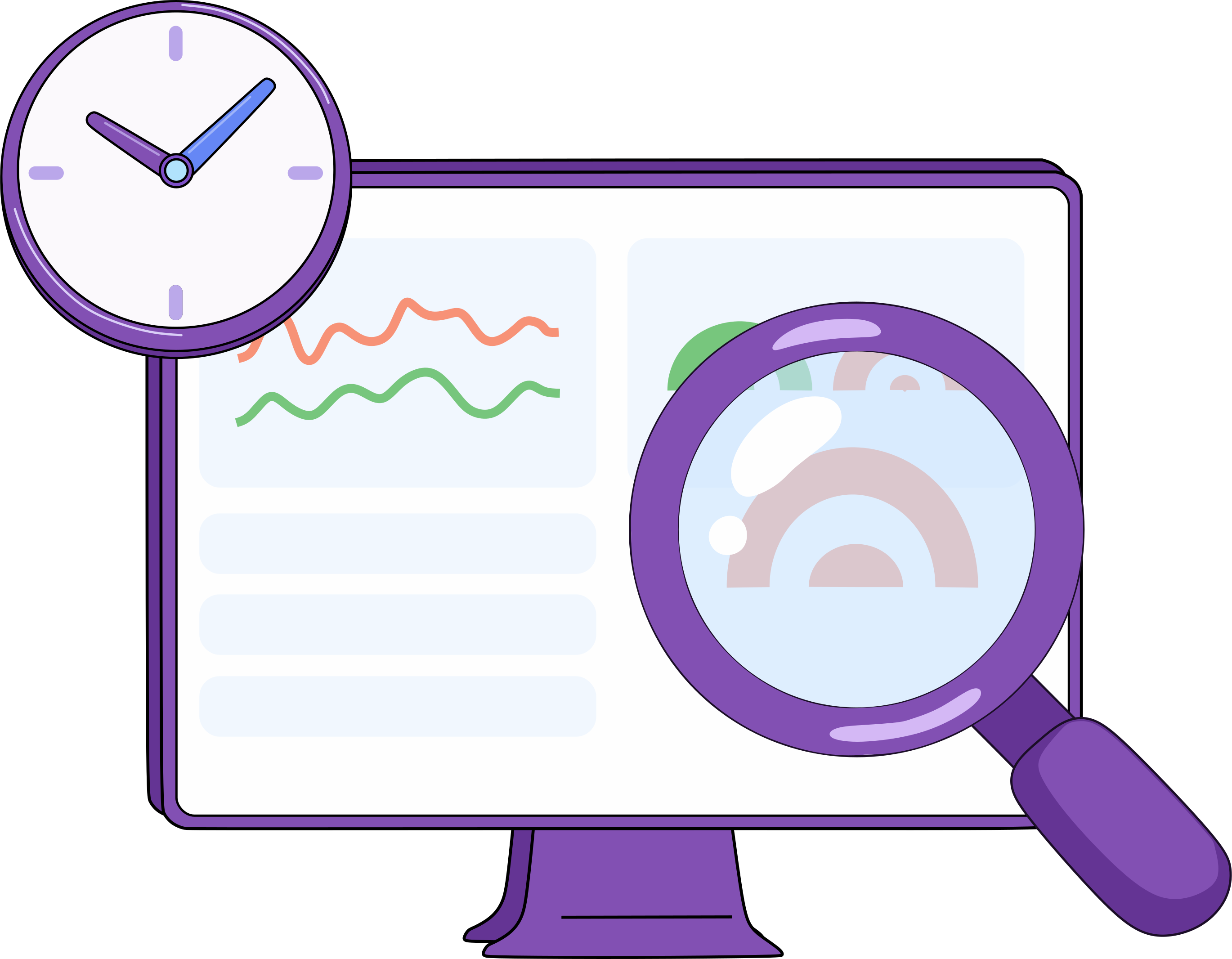
All data in one place, real-time status, history and forecasts available at any time.
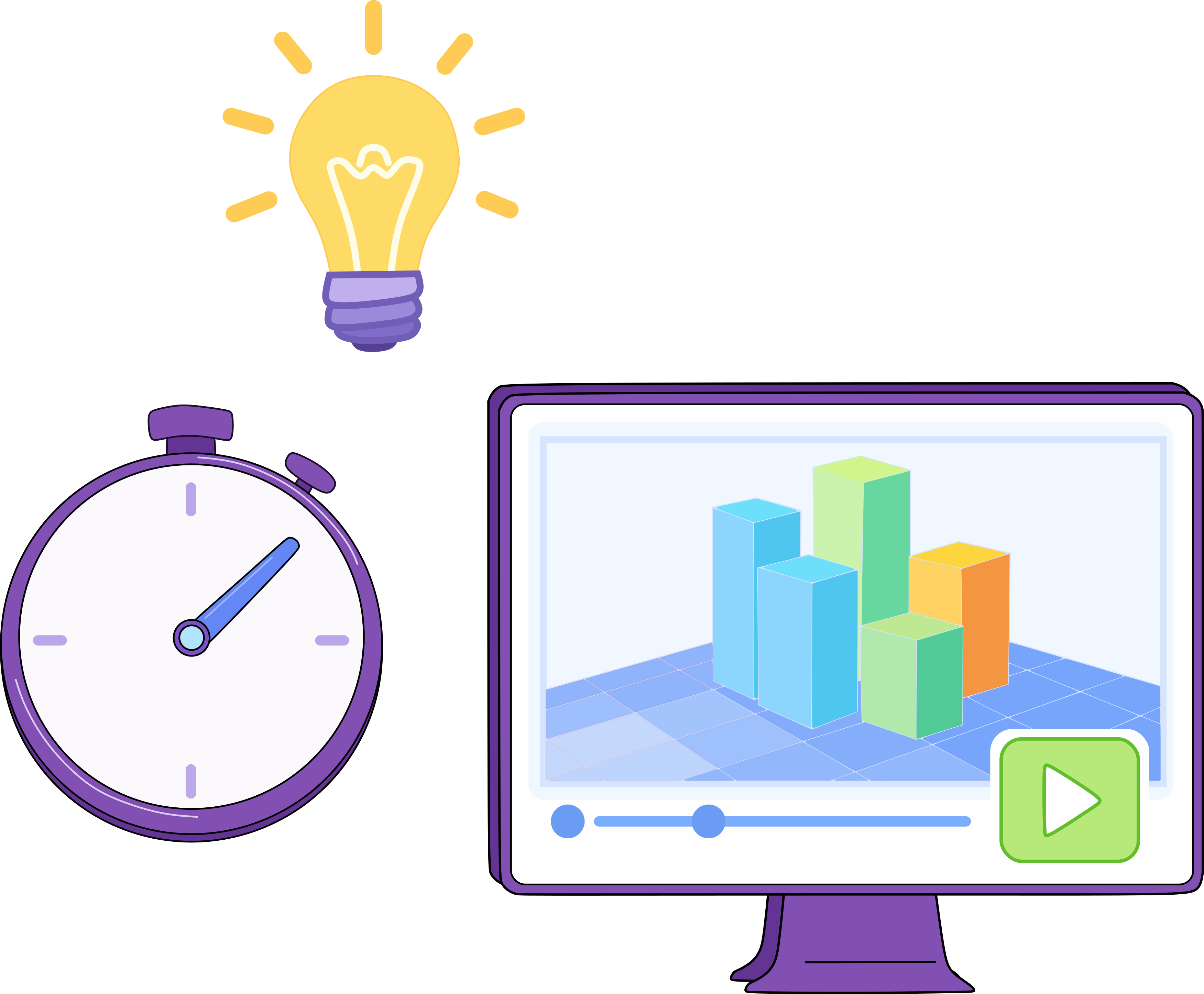
Simulations let you test ideas in seconds rather than waiting months for real change results.
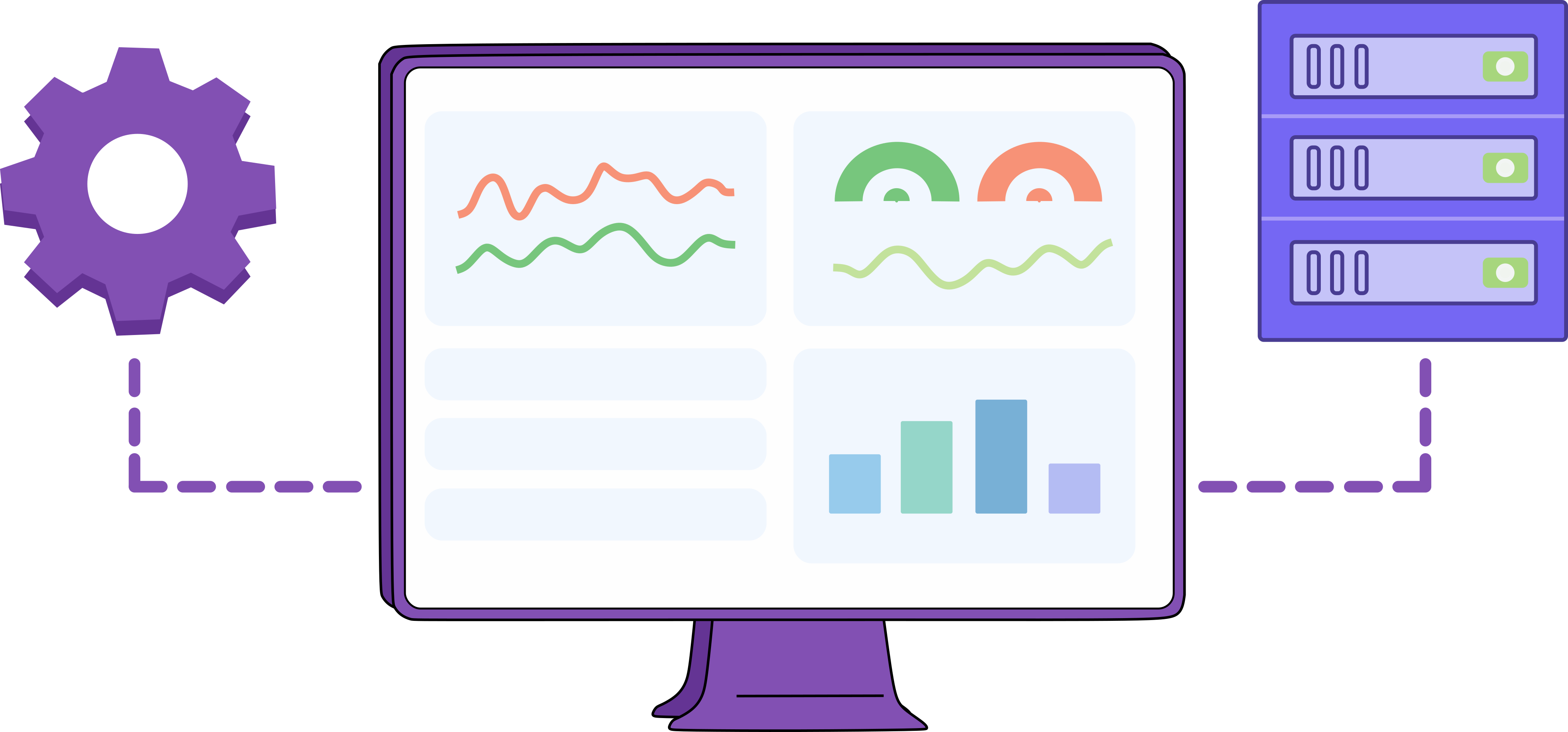
We connect with IoT sensors, ERP, SCADA and other platforms without major infrastructure investments.
A digital twin is a virtual representation of a piece of equipment or process that receives real-time data from the real object, for example from sensors or production systems. Unlike a static 3D model, a twin reflects the current state and lets you simulate changes before making them in the real world.
Yes, we build digital twins that can integrate with IoT sensors, ERP, SCADA and other platforms, so data flows without manual entry.
It depends on your existing infrastructure. If sensors or a data collection system are already in place, we use them; if not, we'll propose a suitable way to collect the data.
Digital twins fit equipment, production lines, buildings or infrastructure where predictive maintenance, process optimization or transparency matter. We assess suitability for your specific case in a consultation.
Tell us about your object or process, together we'll develop the most suitable solution.
Get in touch