Challenge
Bullying, exclusion and quiet indifference are situations young people face daily, yet traditional educational methods, lectures and leaflets, often fail to create real impact because they teach about empathy instead of letting it be experienced.
As part of a European Union Recovery and Resilience Facility project, the Kurzeme Planning Region was looking for a tool that municipal youth centres and schools could use to help young people develop emotional intelligence and conflict-resolution skills in a practical, rather than theoretical, way.
Solution
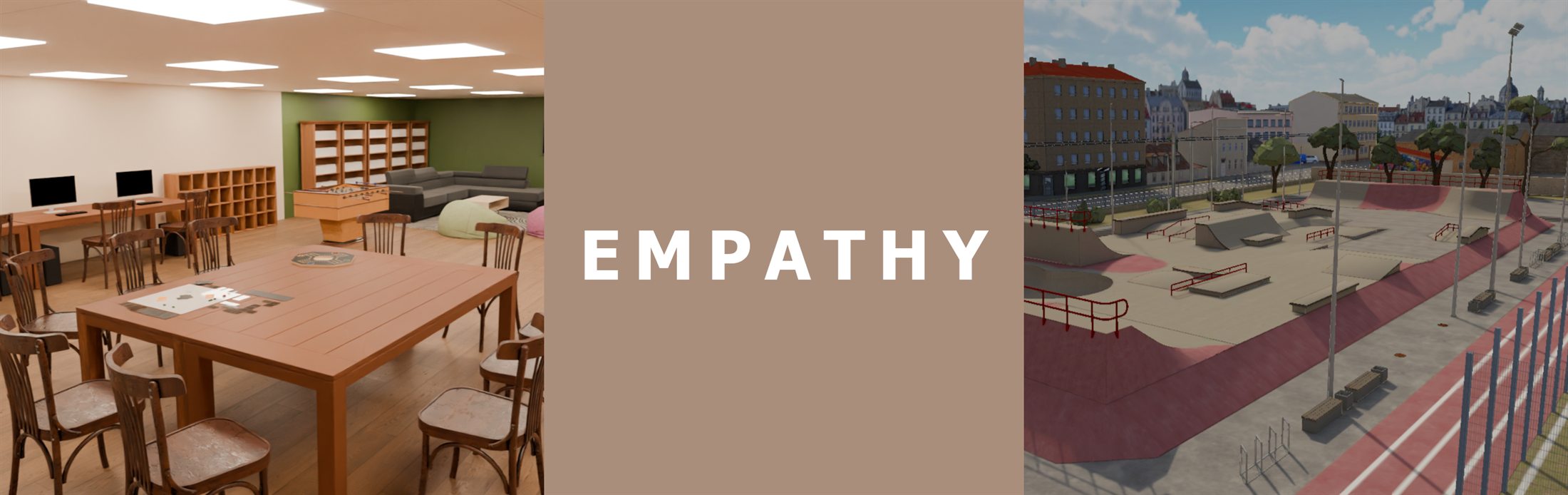
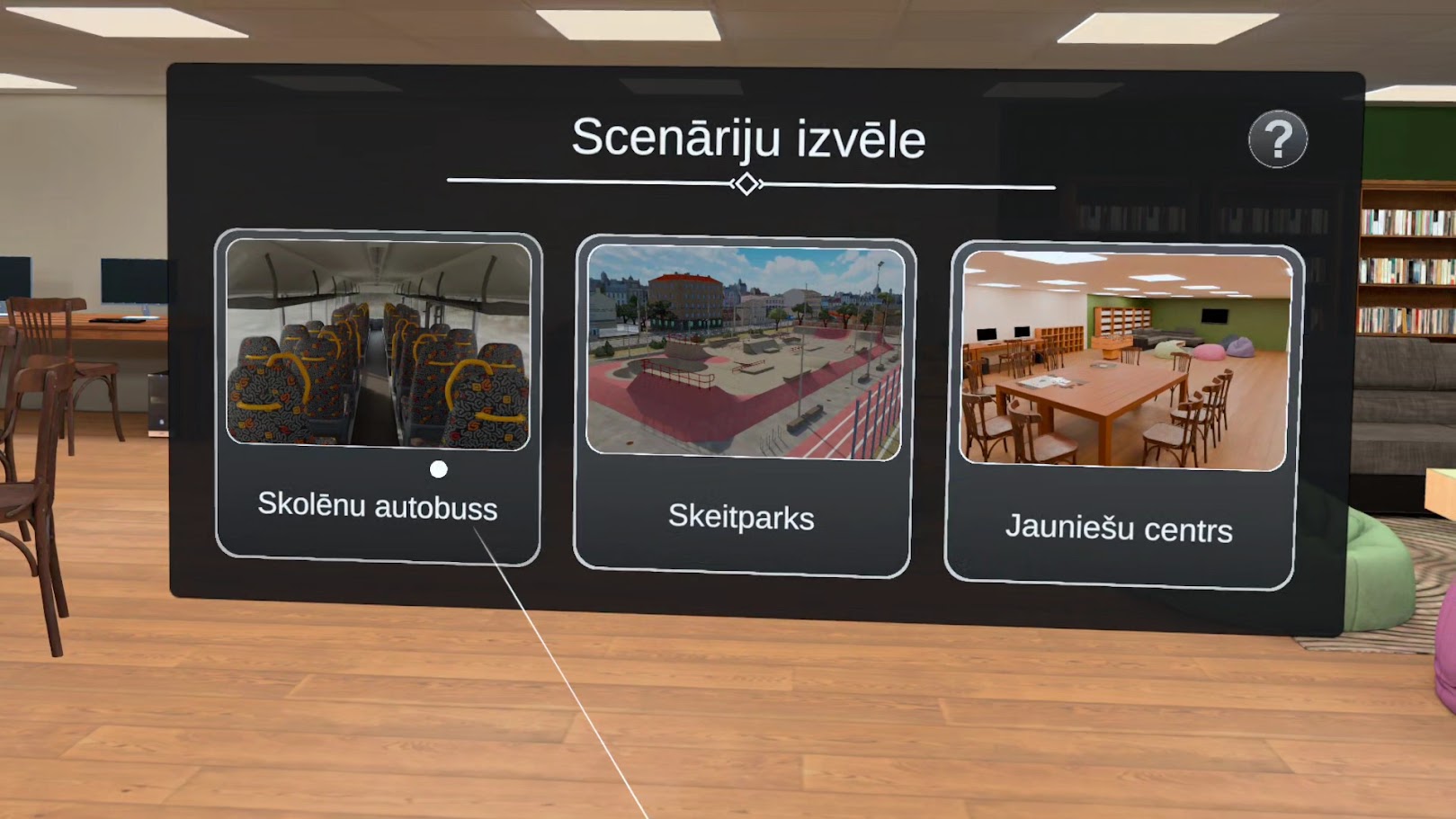
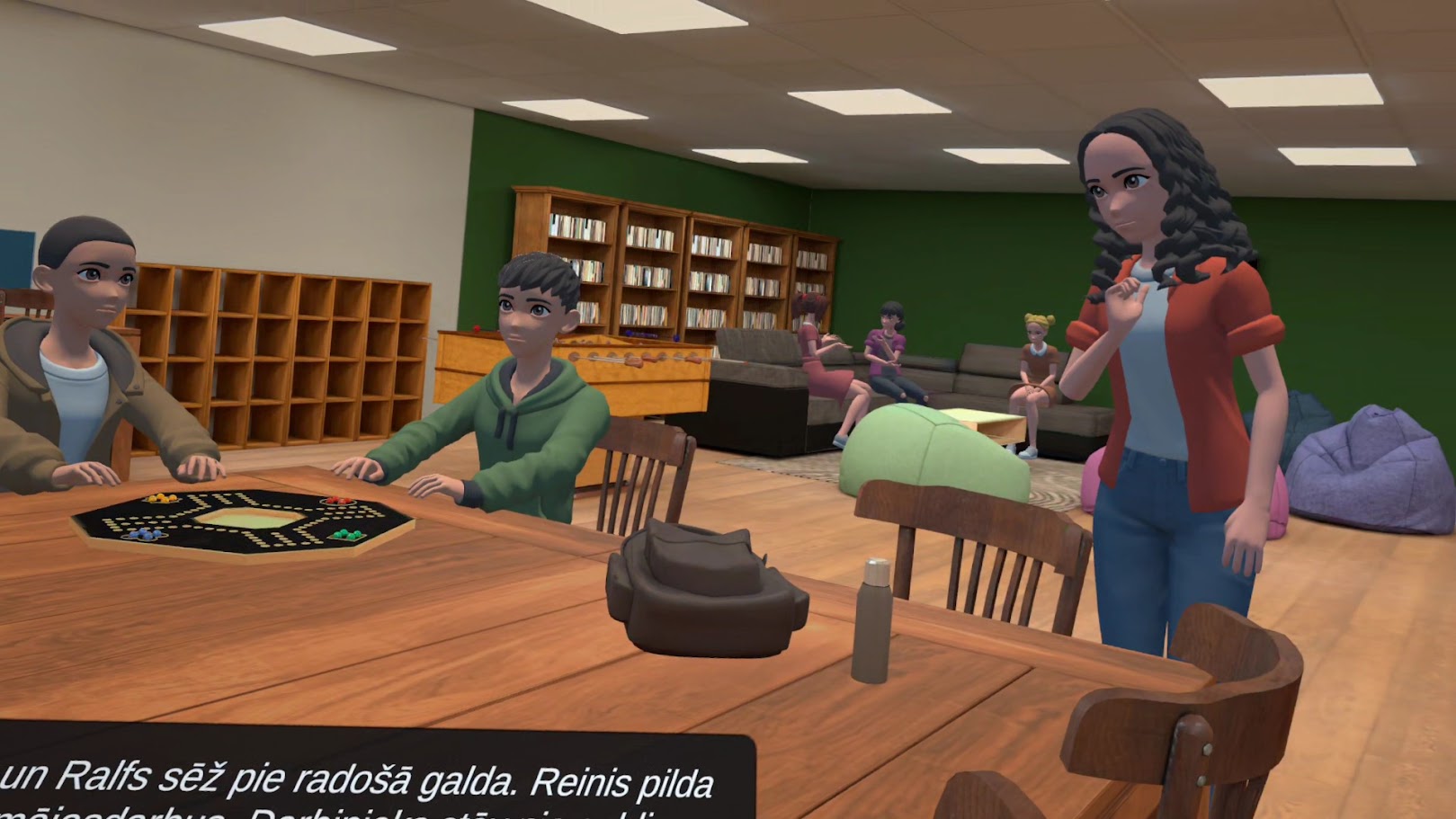
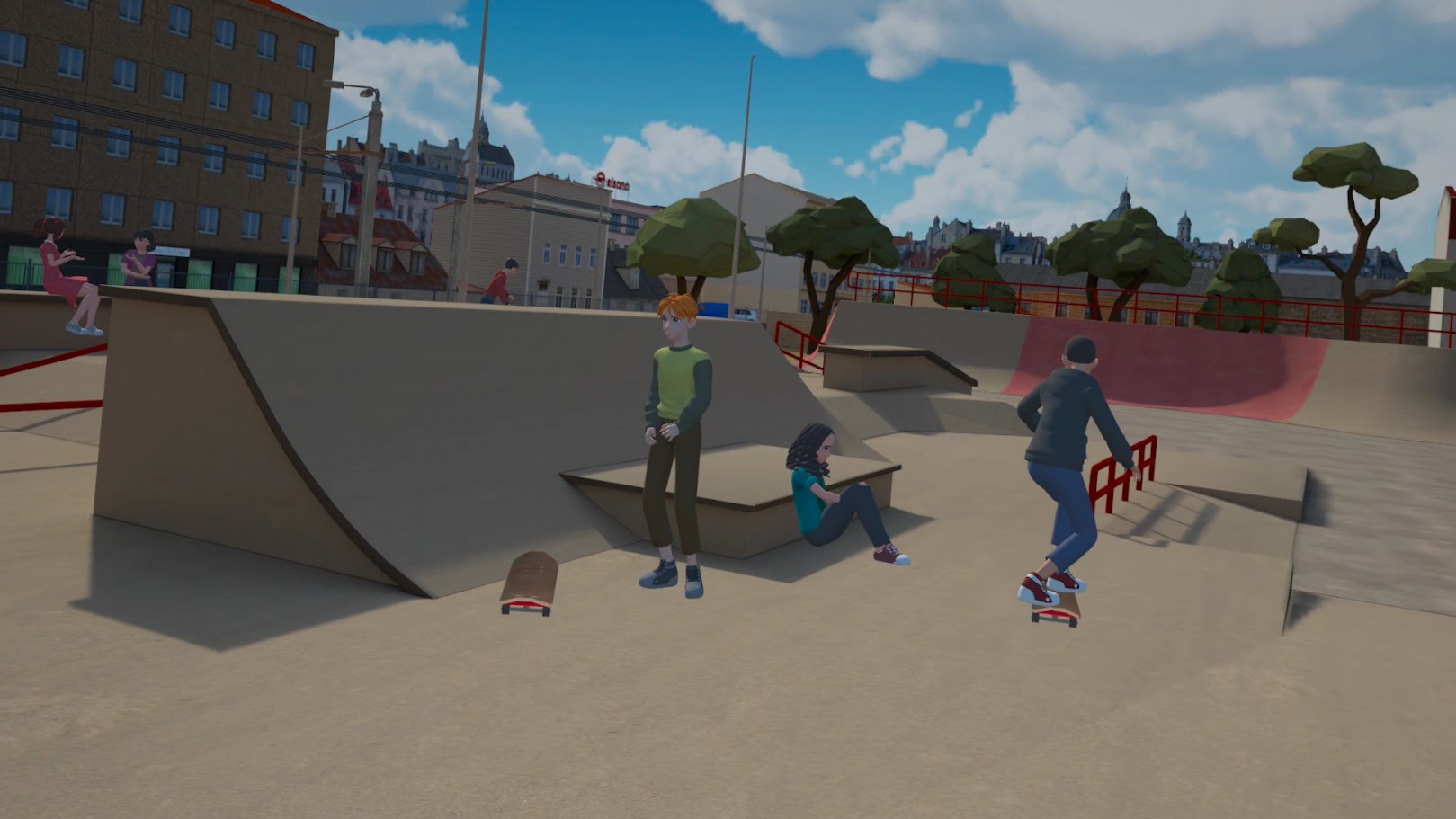
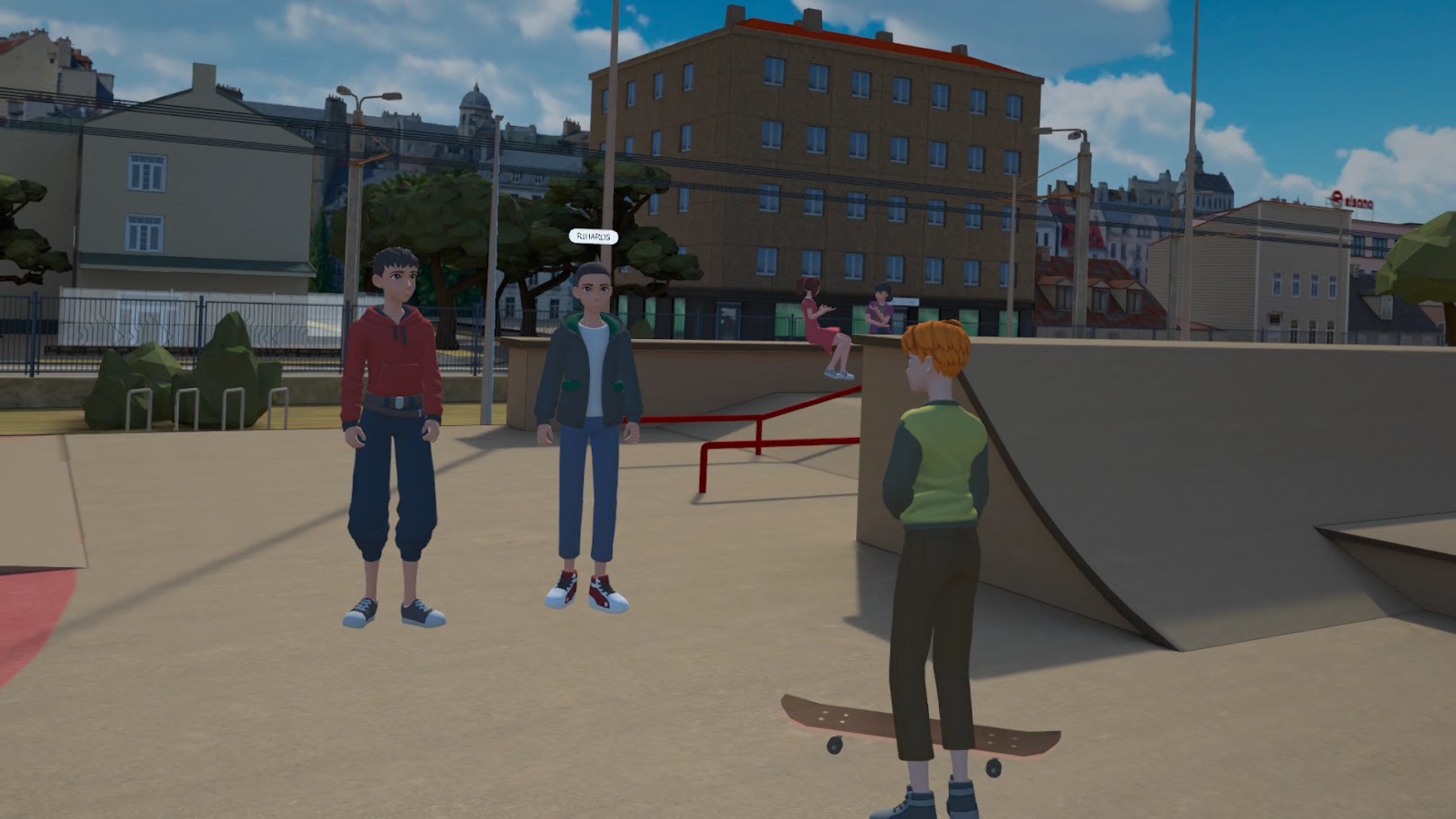
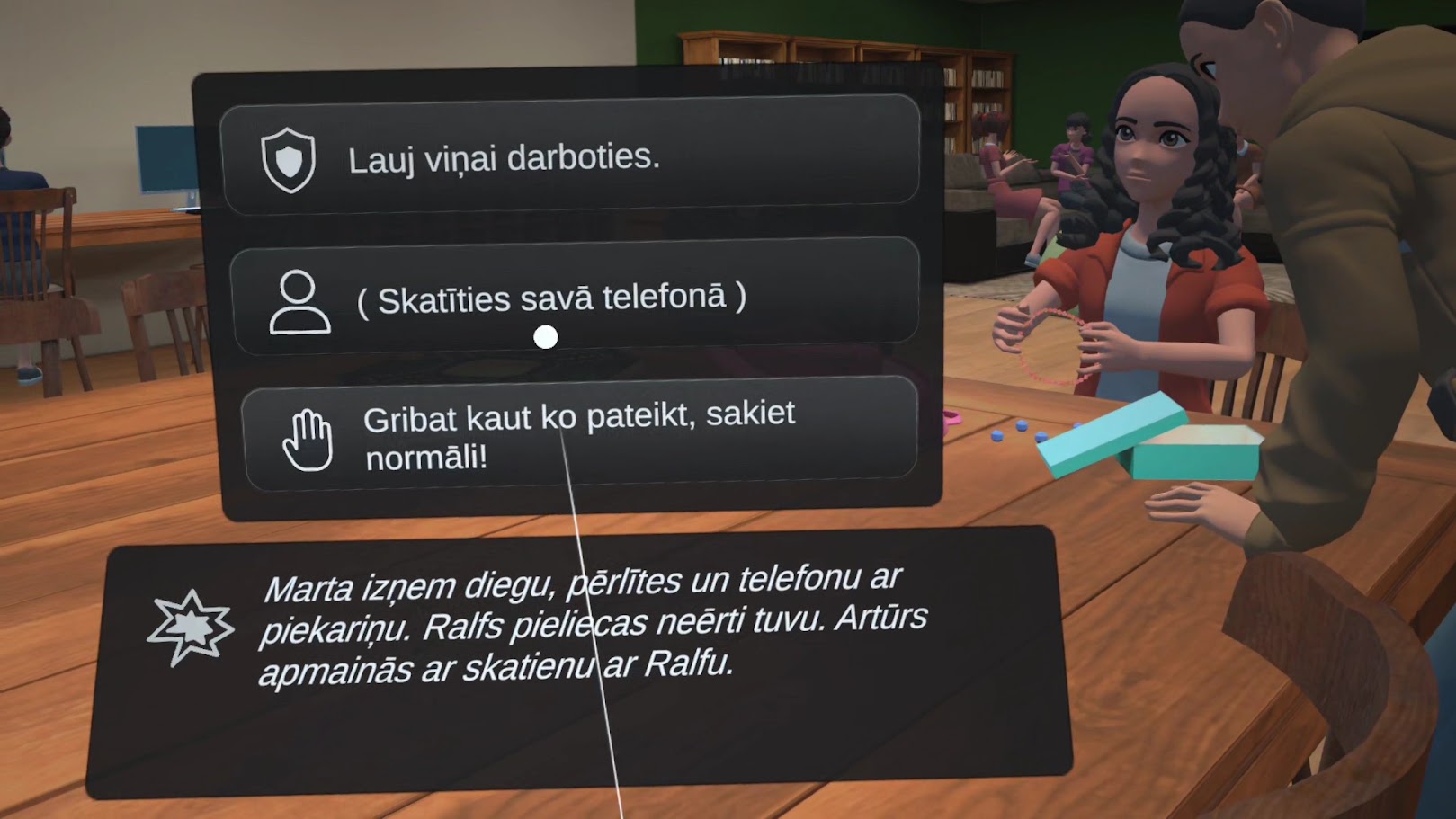
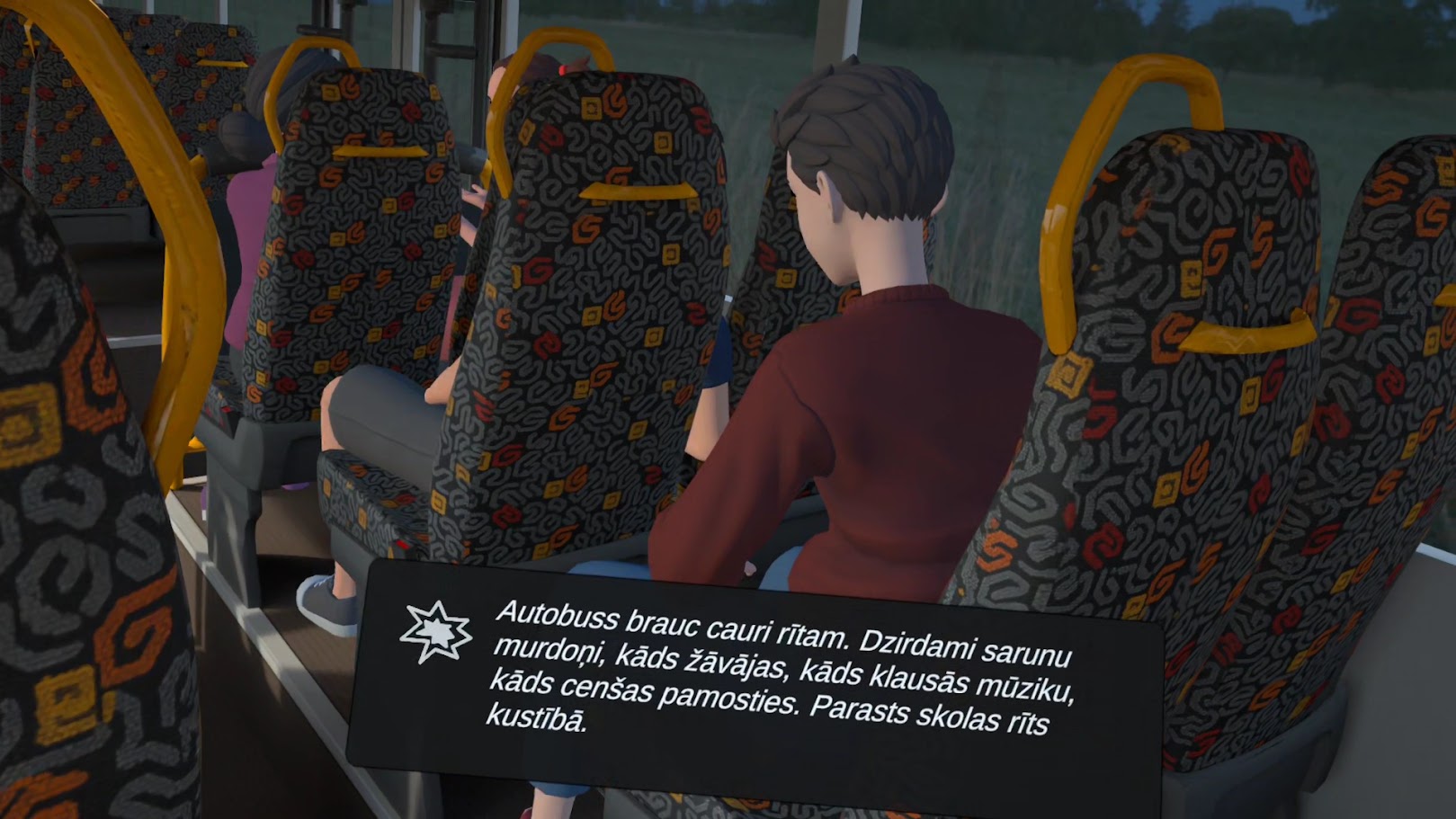
We built a VR experience with three independent scenarios, a school bus, a skatepark and a youth centre, in which the player chooses one of three responses to each situation: stepping in empathetically, staying neutral, or reacting confrontationally. Each choice changes how the scene unfolds and how the other characters behave in real time.
We deliberately chose a minimalist, abstract visual language with no points, ratings or "correct" answers. At the end of each session the player is offered a quiet reflection on their own actions, which a teacher or youth worker can use as a starting point for discussion outside the VR experience.
Technologies
The game was built for the Meta Quest 2 and Meta Quest 3 platforms with a minimalist, flat visual style that deliberately avoids photorealism, reducing VR discomfort and keeping attention on the meaning of each situation rather than technical execution. The dialogue system relies on pre-defined, non-randomly-generated choices, ensuring a predictable and testable user experience.
Result
The game was delivered to the Kurzeme Planning Region for use in municipal youth centres and schools as part of the EU Recovery and Resilience Facility project "Strengthening the capacity of local governments to improve the efficiency and quality of their operations."
The three scenarios, school bus, skatepark and youth centre, let teachers and youth workers use the game as a starting point for conversations about bullying, personal space and social responsibility, rather than as a stand-alone solution.